
Commercial Steel Buildings in Ahmedabad: What Developers Should Know
Local climate, soil, approvals and logistics — the Ahmedabad-specific factors that shape a steel building project.
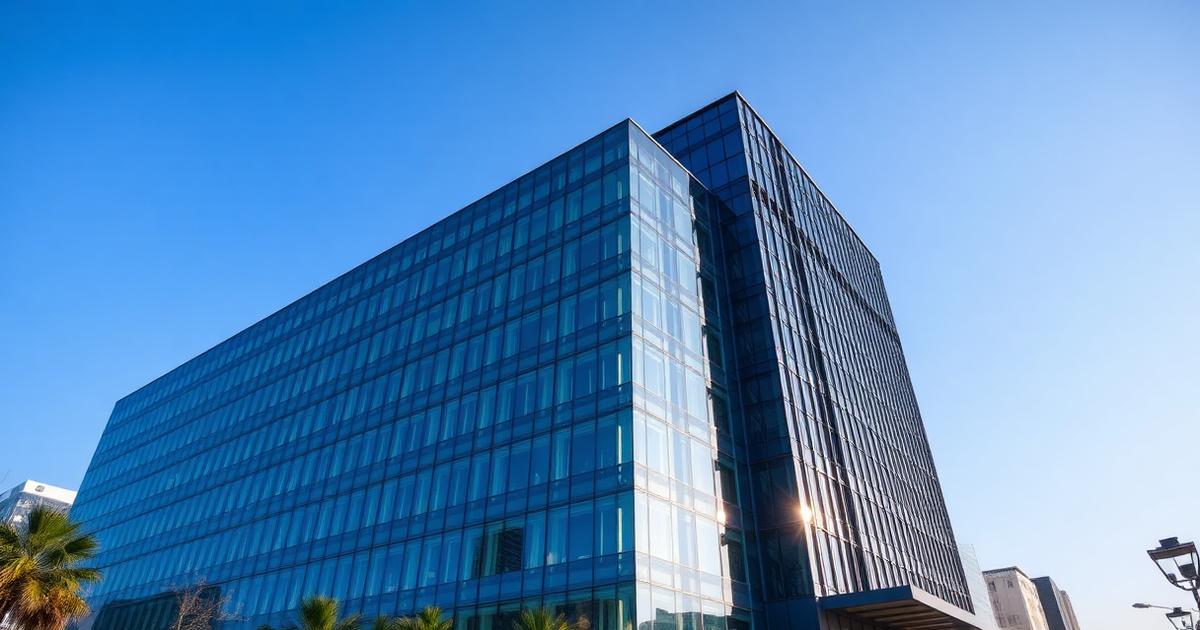
Ahmedabad is one of India''s most active commercial construction markets, and it has a specific set of conditions that reward steel construction — and a few that need designing around.
Climate: heat first, monsoon second
Summer temperatures regularly exceed 42°C. Two consequences for steel design:
- Thermal movement must be accommodated with correctly located expansion joints and slotted connections.
- Envelope performance dominates operating cost. An insulated LGSF wall build-up with a thermal break outperforms 230 mm masonry substantially on U-value, which shows up directly in chiller sizing.
The monsoon window is short but intense. Steel erection continues through weather that stops concrete pours, which is where much of the programme advantage appears in Gujarat projects.
Seismic zone III
Gujarat sits in a moderate-to-high seismic zone, and the 2001 Bhuj earthquake reset local expectations. Seismic force is proportional to mass, so lighter steel structures attract lower base shear. Ductile steel connections also behave far better than brittle failure modes.
Soil and foundations
Much of the region has expansive black cotton soil, where foundations are expensive and settlement is a real risk. A lighter superstructure reduces bearing demand and, on many plots, avoids deep piling entirely.
Approvals and compliance
Design to IS 800 (general steel construction), IS 801/811 (cold-formed sections), IS 1893 (seismic) and the National Building Code, alongside AMC and GDCR requirements. Structural drawings from a licensed structural engineer, fire NOC and, for larger developments, environmental clearance are the usual gates. Steel documentation tends to move faster through review because the design is fully modelled.
Logistics
Ahmedabad has excellent road connectivity and a mature steel supply chain in Gujarat, which keeps lead times and transport costs low. What needs planning is site access for long members and crane positioning — narrow approach roads in older commercial areas are the most common cause of erection delay.
Practical checklist
- Confirm plot access dimensions before finalising member lengths
- Get a soil report early; it may change the value case entirely
- Fix the structural grid before fabrication release
- Plan deliveries around municipal movement restrictions
Beycon is based in Ahmedabad and builds across India. If you are evaluating a commercial site here, we can give you a structural and programme view before you commit.
Planning a project?
Beycon engineers composite steel and LGSF buildings across India. Share your drawings and we'll return a programme and budget view.
Talk to us ↗